Domestic

Tanking Polymer

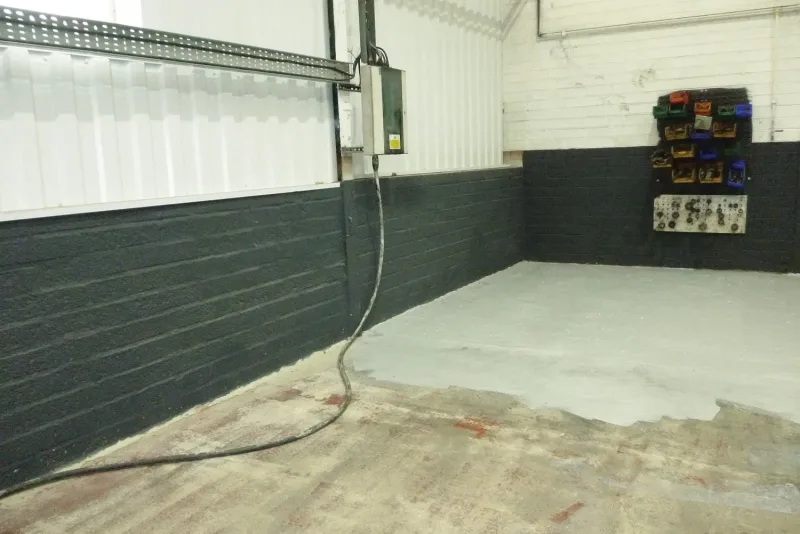
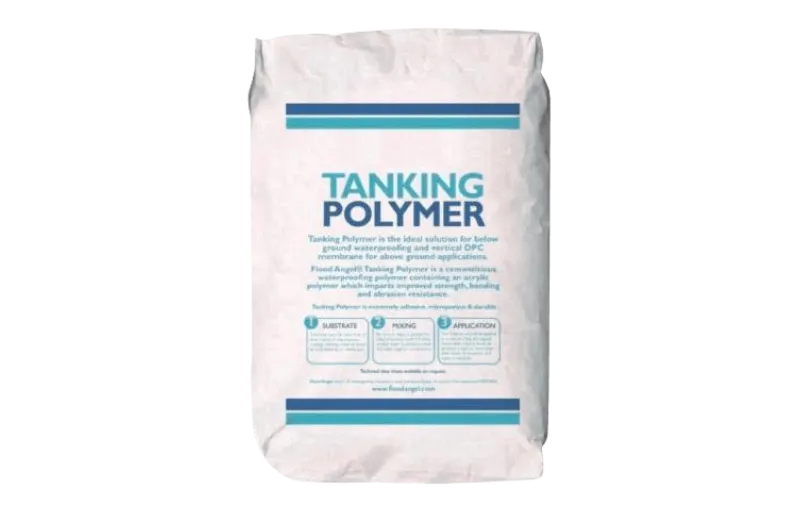
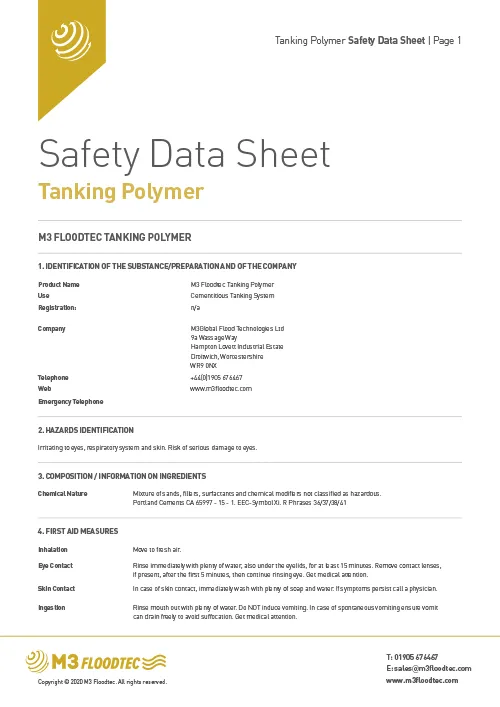
Tanking Polymer is the ideal solution for below ground waterproofing and vertical DPC membrane for above ground applications.

SKU: M3TKP Category:
Get a Quote

Tanking Polymer is a cementitious waterproofing polymer containing an acrylic polymer which imparts improved strength, bonding and abrasion resistance. Tanking Polymer is extremely adhesive, microporous and durable.
  • Tanking Polymer can be used to waterproof new or old structures.
  • Provides protection from pressure water, ground moisture and dampness.
  • Tanking Polymer can be applied both internally and externally.
  • Extremely adhesive, microporous and durable.
Directions for Use

NOTE: Do not re-temper stiffened material. Tanking Polymer should not be applied in frost
conditions or to frost filled surfaces or when temperature is 5 deg C and falling.

Preparation

All contact surfaces must be clean and sound. Remove all loose material, dust and any previous
coating. Tap off water pressure where necessary and cut out a 20mm x 20mm fillet at floor and
wall joint. Repair any existing cracks and fractures with rapid cement.

Services

Seal around all services and pipes with Pro-Bond 2000 MS Polymer Priming Under normal
applications no priming is required; however you should refer to the individual specification
that may be provided by your Technical Representative. On dry surfaces the background should be
dampened to assist the coating in fully wetting out.

Mixing

The water requirement to produce the coating is 7.5 to 8.5 litres of water per 25kg of dry
material. Pour the required quantity of water into suitable mixing vessel. Slowly add the powder
to the water whilst continuously mixing. Mechanical mixing is recommended using a slow speed
high torque drill with a plastering paddle. Mixing should be continued for three minutes after
all the powder has been added to the mixing water to obtain a ‘creamy’ consistency.

Coating

M3 Floodtec Tanking Polymer is applied intwo coats (except above ground, see individual
specification) the first coat in a horizontal direction down to fillet level. Apply a second
coat at right angles to the first as this will ensure complete coverage of the substrate. Second
coat can be applied before the first is dry providing the first does not drag. In some cases a
tight coat of render made up of 3:1 sand cement mix,using a sulphate resistant cement and SBR
mixed at 2:1 with water may be required, refer to your individual specification or our technical
department if you are unsure.

Applications

The Polymer should be applied at a rate of 2.5kg per square metre with a block brush to produce
a coat no more than 3mm thick. A minimum of 2 coats is required.

Data Sheet

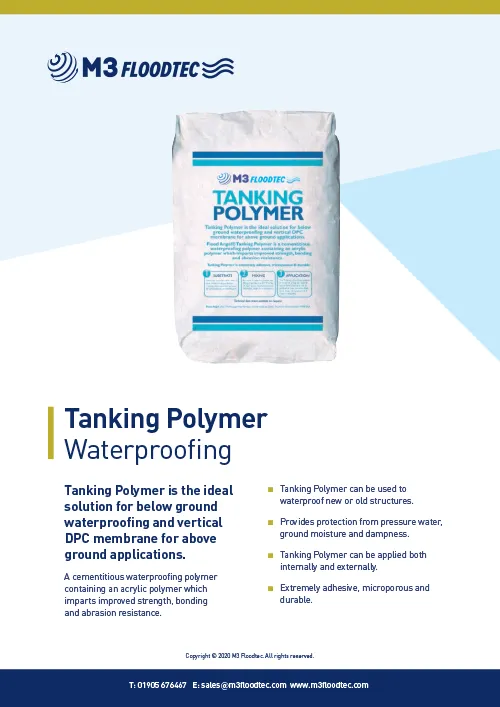
Safety data sheet available for professional users on request.

Always follow the manufacturer’s recommendations when using this product. It is the users’
responsibility to determine suitability.

Health & Safety
  • Contact with wet cement, wet concrete or wet mortar may cause irritation, dermatitis or
    burns.
  • Contact between cement powder and body fluids (e.g. sweat or eye fluids) may also cause
    irritation, dermatitis or burns.
  • There is a risk of serious damage to eyes.
  • Wear suitable protective clothing, gloves and eye/face protection.
  • In case of contact with eyes, rinse immediately with plenty of clean water and seek medical
    advice.
  • After contact with skin wash immediately with plenty of clean water. Keep out of reach of
    children.

Related Case Studies

Flood Retaining Walls

Flood Retaining Walls

Installation of reinforced concrete, block or brick walls can act as a retaining wall against floodwaters

View Case Study